
Packing guide
How to pack for a move: the complete UK packing guide.
Professional packing techniques, materials and a labelling system used by packing and moving companies — plus room-by-room advice for kitchens, fragile items and everything in between.
Packing is the single most time-consuming part of moving house — and the part that decides whether anything arrives broken. This guide walks through the materials worth buying, how long to allow, how to pack each room, and how to label boxes so unloading takes minutes rather than hours. If you would rather hand it over, our packing service can cover the whole property or just the tricky rooms.
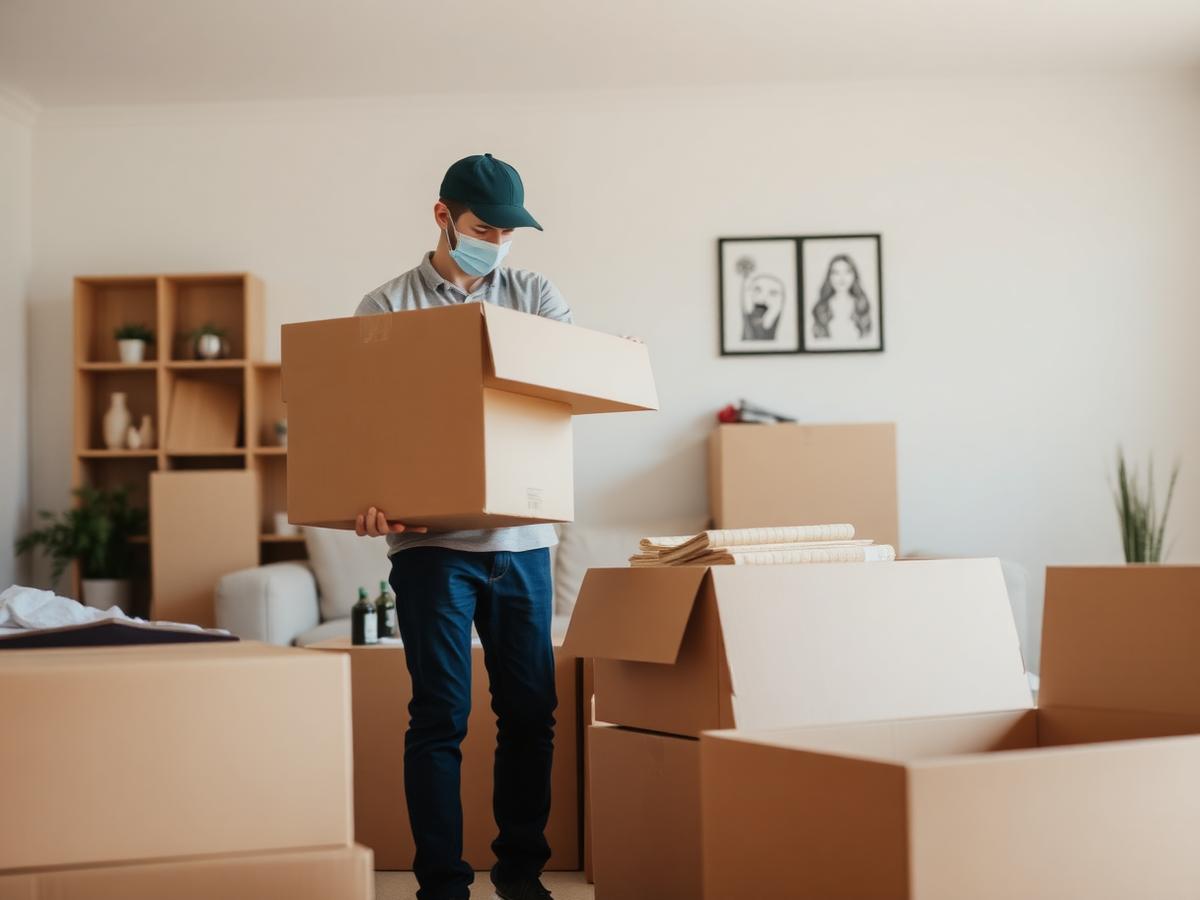
Packing materials you actually need
Buying the right materials up front costs less than replacing broken belongings. This is the kit our crews use on a typical UK house move.
Double-wall boxes
Small boxes for books, tinned food and tools; medium for kitchenware and toys; large for bedding, cushions and lampshades. Double-wall cardboard resists crushing when boxes are stacked in the van.
Bubble wrap & packing paper
Packing paper for wrapping crockery and glassware without ink transfer, bubble wrap for electronics, ceramics, mirrors and picture frames.
Labels & marker pens
A thick permanent marker plus coloured labels or tape for room coding. Labelling as you seal each box is far quicker than labelling later.
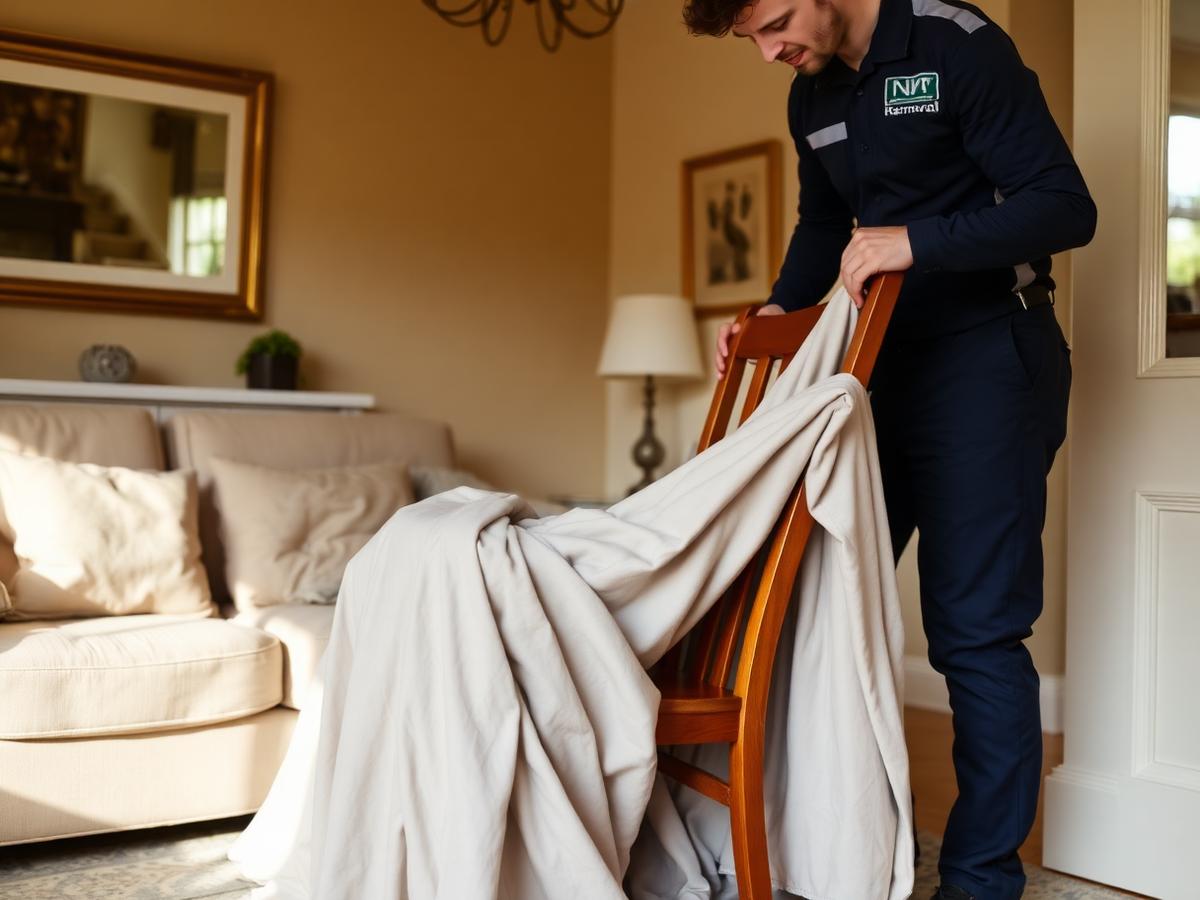
Wardrobe & mattress covers
Hanging wardrobe boxes keep suits and dresses crease-free; mattress and sofa covers keep soft furnishings clean on loading day.
Tape, foam & corner protectors
Strong 48mm packing tape, foam pouches for stemware, and corner protectors for framed art, TVs and mirrors.
Original boxes for tech
Keep original packaging for TVs and computers where possible. If not, use a flat TV box, wrap screens in a blanket and never lay a screen flat.
Room-by-room packing method
Kitchen packing
- Pack plates vertically on their edges, wrapped individually — they are far stronger this way than stacked flat.
- Nest bowls and mugs with paper between each piece and fill mugs with crumpled paper.
- Use dividers or foam pouches for wine glasses and stemware, and keep them in a small box marked FRAGILE.
- Tape lids to pans, bag cutlery in sets, and seal opened bottles and jars in a plastic bag before boxing.
- Empty, defrost and dry the freezer at least 24 hours before moving day.
Fragile items & glassware
- Line the base of every fragile box with 5cm of crumpled paper and repeat on top.
- Wrap each item individually — never wrap two pieces together.
- Fill all voids so nothing moves; shake the box gently before sealing and repack if you hear movement.
- Keep fragile boxes under 15kg so they can be carried and stacked safely.
- Transport mirrors and framed art upright with corner protectors, never flat under other boxes.
Bedrooms & wardrobes
- Leave clothes on hangers and move them into wardrobe boxes on the day.
- Use vacuum bags for duvets, winter coats and spare bedding to save van space.
- Keep drawer contents in the drawers for chests we are moving whole, but empty tall or fragile units.
- Bag and label bed fixings, then tape them to the headboard or hand them to your crew.
- Pack one 'first night' box per bedroom: bedding, pyjamas, toiletries and a phone charger.
Living room, tech & books
- Photograph cable setups behind the TV before unplugging, then bag and label each cable.
- Pack books flat in small boxes — a large box of books is too heavy to lift safely.
- Remove bulbs and shades from lamps and wrap them separately.
- Wrap remote controls, consoles and speakers in bubble wrap, then box together as 'Living room — tech'.
- Roll rugs, tie them and keep them out of boxes so they load last and unload first.
A labelling system that saves hours
Unloading is only fast if the crew knows where each box belongs. Use a colour plus a number and you will never open the wrong box looking for the kettle.
- Give every room a colour: kitchen yellow, main bedroom blue, living room green, and so on.
- Write the room, a short contents summary and a box number on the top and two sides of every box.
- Keep a simple numbered list on your phone so you can find any box without opening it.
- Mark FRAGILE and THIS WAY UP clearly — our crew loads and stacks based on those markings.
- Tape a matching colour label to each doorway at the new property so boxes go straight to the right room.
- Label one box OPEN FIRST: kettle, mugs, tea, toilet roll, scissors, chargers and cleaning cloths.
Your four-week packing timeline
Never pack these
Cash, jewellery, passports, medication, keys and irreplaceable documents should travel with you. Aerosols, paint, gas bottles, petrol and other flammable items cannot be carried in the van.
Packing FAQs
How far in advance should I start packing for a move?
Start three to four weeks before moving day with items you rarely use — books, out-of-season clothes, spare bedding and decorations. Pack the kitchen and bathroom in the final two days, and keep an essentials box open until the van is loaded.
How many boxes do I need to pack a house?
As a rough guide allow around 15–20 boxes for a one-bedroom flat, 30–40 for a two-bedroom home, 50–60 for a three-bedroom house and 70+ for four bedrooms. Mix small boxes for heavy items with large boxes for light, bulky items.
What is the best way to pack fragile items?
Wrap each piece individually in packing paper or bubble wrap, pack plates vertically on their edges, fill every gap so nothing shifts, and never mix heavy items on top of glassware. Mark the box FRAGILE on at least three sides.
Should I use a professional packing service?
A professional packing service is worth it if you are short on time, moving a large property, or have a lot of fragile or high-value items. Our team can pack the whole property, tackle the kitchen and breakables only, or simply supply materials.
What should I never pack in a removals van?
Keep cash, jewellery, passports, medication, keys, chargers and irreplaceable documents with you. Aerosols, paint, gas bottles, petrol and other flammables cannot be transported.
Would you rather we packed it for you?
Our packing and moving service covers the whole property, the fragile rooms only, or just the materials. Tell us what you're moving and we'll send a clear price.